
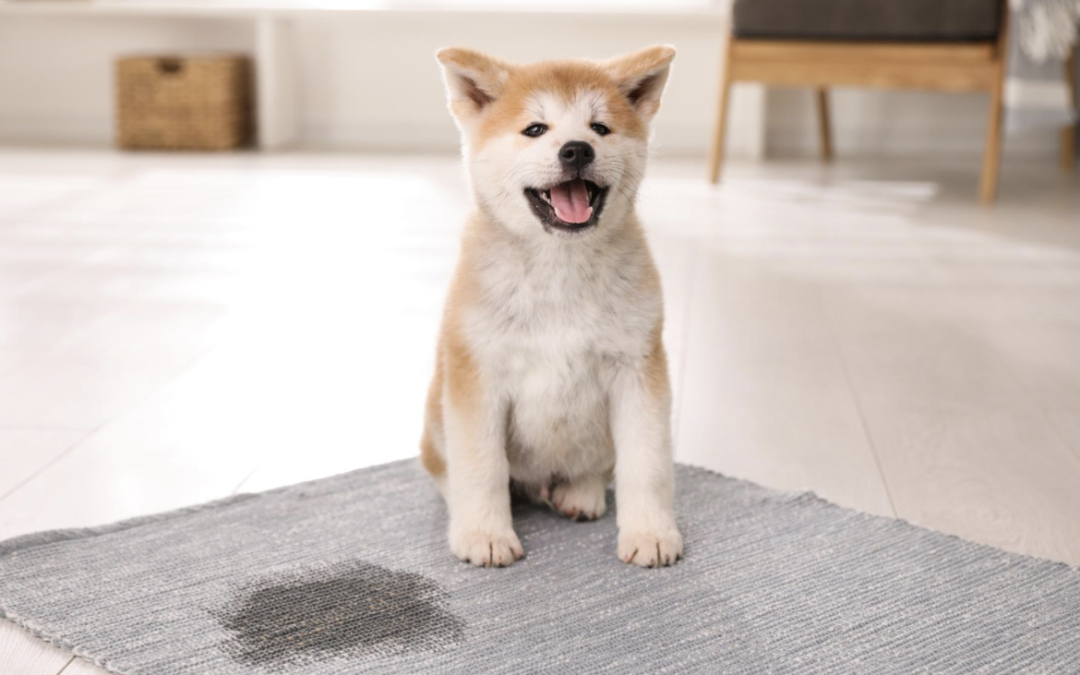
When your dog has an accident on the carpet, quick action matters. Urine can soak into carpet fibers, padding, and even the subfloor if not treated correctly. Worse, the ammonia and bacteria in urine can create a strong, lingering smell if not addressed properly.
This guide outlines a fast, effective approach to cleaning pet urine from carpet and neutralizing odors—using pet-safe solutions and smart techniques that work. Whether it’s a fresh accident or a persistent odor you’ve been battling, these steps will help restore your carpet and your peace of mind.
What Happens When Dog Urine Soaks into Carpet
Dog urine doesn’t stay on the surface. It penetrates deep into carpet fibers and padding, carrying organic matter like ammonia and proteins that foster bacteria and odor. Over time, these compounds crystallize, making the smell harder to remove and more likely to return even after initial cleaning.
Simply wiping the surface isn’t enough. To fully eliminate both the stain and the odor, you need to treat the affected area thoroughly—especially below the surface.
Step-by-Step: How to Clean Dog Pee from Carpet Fast
1. Act Quickly
The longer urine sits, the more damage it does. Start by blotting the area with paper towels or a clean cloth to absorb as much liquid as possible.
Important:
Avoid scrubbing. Scrubbing can push urine deeper into the fibers and damage the carpet.
2. Apply a Pet-Safe Cleaning Solution
Use a solution that neutralizes both the stain and the odor.
Two effective options:
- White Vinegar & Water Solution
Mix 1 part white vinegar with 4 parts water. Lightly spray the affected area. - Enzyme-Based Cleaner
These cleaners break down the urine at a molecular level. Make sure the product is pet-safe and designed specifically for urine.
Allow the solution to sit for 10-15 minutes to break down the odor-causing compounds.
3. Blot Again and Remove Moisture
After treating the area, blot again with a fresh towel or cloth. For deeper absorption, lay a few clean towels over the spot and place something heavy on top. Leave it overnight to pull moisture from the padding below.
4. Rinse and Dry Thoroughly
Lightly rinse the area with clean water, then blot again to remove any residue. Use fans or open windows to accelerate drying. A completely dry carpet helps prevent mildew and keeps odors from returning.
5. Deodorize Remaining Smells
If the area still has a slight odor after drying, sprinkle baking soda over it. Let the baking soda sit overnight to absorb any lingering smells, then vacuum it up the next day.
For stronger odors, a second enzyme treatment or a professional cleaning may be required.
6. Prevent Repeat Accidents
Dogs may return to the same spot if they detect any remaining scent. Once the area is clean and dry, consider placing a dog bed, mat, or toy in the area to discourage repeat behavior. You can also block access temporarily or use a deterrent spray designed for pets.
Common Mistakes to Avoid
Avoiding these common errors can save your carpet and ensure long-term odor control:
- Delaying cleanup: Waiting too long allows urine to soak into the subfloor.
- Using a steam cleaner too early: Heat can set urine stains and odors permanently.
- Scrubbing instead of blotting: This can worsen the stain and spread it.
- Ignoring the carpet padding: Odor can remain below the surface even if the top looks clean.
- Failing to dry the area completely: Moisture promotes mold and can trap odors.
When to Call in the Professionals
DIY methods are effective for fresh stains and minor accidents, but not all stains are manageable with household products. If you’re dealing with:
- Persistent odors
- Deep or repeated stains
- Multiple pets
- Stains that have soaked through the padding
Professional carpet cleaning services like Dri-Masters offer a more comprehensive solution. Our technicians use high-powered equipment that extracts moisture deep from the padding and neutralizes odors using industry-grade enzyme treatments. We also use advanced drying systems to prevent future mildew or bacteria buildup.
Quick Recap: Cleaning Dog Pee from Carpet
- Blot immediately to absorb urine
- Apply enzyme cleaner or vinegar solution
- Let sit, then blot again
- Rinse and dry the area completely
- Use baking soda to remove residual odor
- Prevent future accidents with smart deterrents
Final Thoughts
Pet urine can be stubborn—research backs that up. A 2020 study on eliminating pet urine odors found that most cleaning products initially removed the smell, but in many cases, the odor returned within two weeks . This happens when urine crystals deep in the padding aren’t fully neutralized. That’s because most store-bought solutions can’t reach deep into the carpet padding, where urine crystals and bacteria continue to linger.
Need Professional Help?
If home remedies aren’t solving the problem, we can. Dri-Masters offers expert cleaning services that target deep stains, eliminate bacteria, and neutralize odors—fast.
- Schedule an Appointment »
- Browse Our Before & After Gallery »
- See Our Full List of Services »
- Visit Our FAQ Page »
Frequently Asked Questions
Q: Why does the smell come back after I clean it?
A: The odor may be trapped in the carpet padding or subfloor. A surface clean won’t reach those layers. That’s where enzyme cleaners or professional services help.
Q: Are vinegar and baking soda enough for old stains?
A: They work well for mild odors, but deep or older stains often require enzyme cleaners or professional extraction.
Q: Can I use bleach on pet urine?
A: No. Bleach can damage carpet fibers and react with ammonia in the urine, creating harmful fumes.
Q: What’s the best product for pet odor removal?
A: Enzyme-based cleaners are the most effective. Look for products specifically labeled for pet urine and odors.